
Product compliance by category
Product compliance guidance for the products you sell
Find product-specific guidance for testing, documentation, supplier evidence, labelling and market-entry planning.
Choose a product category
Start with the product you need to place on the market
Select the closest category. Every pathway is then refined around materials, intended use, claims, sales channels and target markets.
 FurnitureFurniture safety, chemical, labelling and retailer evidence.
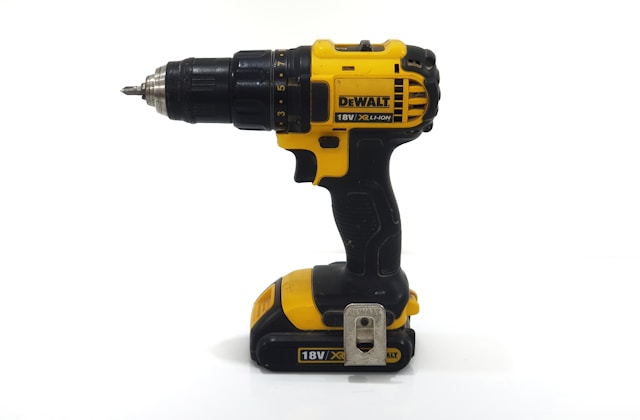 Home ImprovementTools, hardware, coatings, instructions and material evidence.
 Children's ProductsAge grading, chemical limits, labels and testing pathways.
 Appliances and ElectricalElectrical safety, EMC, energy, substances and technical files.
 Cookware and Food ContactFood-contact materials, migration testing, coatings and declarations.
 Packaging and EPRPackaging design, EPR, recycling claims and supporting evidence.
 Chemicals and Restricted SubstancesREACH, TSCA, SDS, PFAS and supplier declarations.
 Decorative ProductsCandles, coatings, flammability, labels and component evidence.
Before testing begins
The category is only the first decision
Product construction, intended use, claims, target markets, and available supplier evidence determine what should be reviewed next.
Product pathway
What determines the product pathway?
The product type is only the starting point. Materials, intended users, technical features, claims, sales channels and target markets can change which requirements need review.
- Product identity and intended use
- Materials, components and claims
- Target countries and sales channels
Testing and documents
How should testing and documentation be planned?
Testing should be scoped against the product and market before samples are sent. Existing reports, standard editions and laboratory scope also need review before reuse is assumed.
- Applicable standards and test questions
- Existing reports and laboratory scope
- Technical files, labels and declarations
Supplier evidence
What supplier evidence should be prepared?
A structured supplier request can reduce missing evidence later. The exact list depends on product construction, components, materials and the compliance pathway being assessed.
- Bills of materials and specifications
- Component reports and declarations
- Factory, material and packaging evidence
A focused review
From product brief to prioritized next steps
Define the product
Confirm the category, construction, intended use and claims.
Map the pathway
Identify the market-specific questions, evidence and testing considerations.
Prioritize next steps
Organize gaps and actions into a practical review sequence.
Common questions
Choosing the right product pathway
My product fits more than one category. Where should I start?
Choose the closest category or request a roadmap review. Overlapping electrical, chemical, packaging, safety and retailer considerations can then be scoped together.
Can ConforIQ review a category that is not listed?
Yes. The directory highlights common enquiries, but the assessment starts with the actual product, materials, intended use, claims and target markets.
What should I prepare for the first conversation?
Prepare a product description, bill of materials if available, target markets, intended launch timing and any existing reports or supplier declarations.
Your next step
Start with the product, market and evidence already available
A focused review can help identify which questions, testing considerations and documentation gaps should be addressed next.